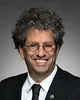
Karim Bardeesy, Parliamentary Secretary to the Minister of Industry
“I want the House to pass this bill to make September Ukrainian Heritage Month. Ukrainian Canadians have built strong communities, culture, and music in my riding for generations. Their spirit and fight for freedom deserve to be honoured.”
“Mr. Speaker, it is a great pleasure to speak to this bill, which comes to us from the other place. I want to give thanks in particular for the hard work of the member for Etobicoke Centre, who has been championing the cause of Ukraine, of Ukrainian Canadians and of Ukrainians in Canada since his election here and since before then, and for his hard work to get the bill to this point in Parliament. It is a special pleasure to speak about Ukrainian heritage, because in my riding of Taiaiko’n—Parkdale—High Park in west Toronto, Ukrainian heritage is something that is lived every day. It is lived in the context of war, which has led to a rediscovery and a reimagining of the Ukrainian heritage brought to us by people who have fled that war to find comfort in Canada. It is building on a legacy of institutions that go back decades in this beautiful corner of west Toronto and on a heritage that continues to live, to thrive and to inform not only Ukrainians and Ukrainian Canadians but, in fact, all our constituents. It is something that has been resurrected in the last few years due to the invasion and to the illegal and unjustified attempt to suppress the Ukrainian spirit and the Ukrainian language. If someone comes to Taiaiko’n—Parkdale—High Park, as well as to other parts of west Toronto, where Ukrainian culture and language are live and living, where we continue to welcome Ukrainians who are fleeing persecution and war, they will see a heritage that cannot be defeated. It is a culture that is living. It is a heritage that we, people such as me who are non-Ukrainian, not of Ukrainian heritage, are so blessed to get to see. It is an example of the continuation of culture that perseveres in the face of a real attempt to wipe it and its language off the face of the earth. To see it resilient in Taiaiko’n—Parkdale—High Park is something for which I have the utmost appreciation. I want to talk a bit about our culture, our Ukrainian heritage, specifically in Taiaiko’n—Parkdale—High Park and in west Toronto. Ukrainians and Ukrainian Canadians started to arrive in our part of Toronto as many immigrant communities do. They came from other parts of Toronto and other parts of Canada. In some cases, they received a bit more wealth. In some cases, they were finding jobs and opportunities in meat-packing and in trades such as roofing, plumbing, painting and bricklaying. Eventually they found each other and found places to settle in Bloor West Village and in Etobicoke. These waves of immigration continued not just after the Second World War but also into the sixties and seventies, and then more recently, tragically, as a result of the war. The institutions of Ukrainian heritage, language and culture are everywhere in west Toronto and Etobicoke. In fact, there is a building in the riding of the member for Etobicoke—Lakeshore that is known as UNF hall. It contains dozens of Ukrainian organizations. Ukrainian civil society is alive. It is well. It is strong. I just want to point out a couple of organizations in our riding that have recently celebrated some important anniversaries. For instance, the Levada and Orion choirs of Toronto celebrated their 40th anniversary at Runnymede United Church in Toronto just this past weekend. Ukrainian youth ensembles show the power of song and the power of voices coming together. Voices coming together is one of the ways of expressing the indomitable spirit of a people and the indomitable spirit of a language that continues to persevere even when people try to take that away. Since 1985, youth ensembles, the Levada Women’s Choir, the Orion Men’s Choir and the Vanguard Concert and Marching Band have been connecting people through music. They are promoting and preserving their musical culture and traditions. We have a more recent phenomenon, which is celebrating close to its 20th anniversary: the Vyshyvanka Day parade. Vyshyvankas, of course, are the beautifully embroidered Ukrainian textiles, sweaters, dresses and other garments that a college student in Ukraine rediscovered. They decided they needed to celebrate these unique regional parts of their heritage. Ukrainian Canadians and Ukrainians will often wear vyshyvankas that come from distinct regions of Ukraine. One can tell from the distinct knitting and the distinct textiles where those vyshyvankas, such as sweaters and other garments, might come from. In High Park, Bloor West Village, we celebrate the Vyshyvanka Day parade every year. The Bloor West Village Toronto Ukrainian Festival has been around since 1995, so we have just celebrated its 30th anniversary. It was started by Jurij Roman Klufas, who has been there since the beginning. The first festival in our riding had 300 people just in a little parking lot off Bloor and Jane streets in the west part of Taiaiko’n—Parkdale—High Park. It is now the largest annual Ukrainian festival in North America. It takes perseverance over 30 years to take something that one truly believes in and build the institutions up. Now prime ministers, leaders of the opposition, dignitaries from all sides and the entire community are coming to west Toronto, to Bloor West Village, in mid-September to celebrate Ukrainian heritage and to see the dozens of Ukrainian organizations. A particular conversation I had with a number of women from the Ukrainian brigades was deeply striking to me. These are Ukrainians who recently arrived in Canada. They want to go back to Ukraine, but in the meantime, they are doing mutual aid. They are selling goods. They are bringing their charitable, intellectual Ukrainian spirit to the community and raising resources that can then be brought to help with the self-defence of Ukraine. I also want to point out the Shevchenko Museum. It is the only Taras Shevchenko museum in North America and is just down the street from our constituency office on Bloor West. Taras Shevchenko, known as Ukraine’s greatest poet and artist, was exiled by the Tsarist Russian regime and sent for punitive military service in the eastern region in the 19th century. He was eventually pardoned, 10 years later. Taras Shevchenko made the bold bet of speaking and writing in the Ukrainian language, which the Russians wanted to suppress. We are fortunate. I am very grateful to my colleague Matthew McCauley, in our office, who got from the parliamentary library the following dedication, which was read by the late prime minister John Diefenbaker at the unveiling of the monument to Taras Shevchenko in Winnipeg in July 1961. He read the following verse at that dedication: Our souls yield not to grievous ills, To freedom march our stubborn wills. Though waves of trouble o’er us roll The waves move not the steadfast soul. Our living spirit is not in chains, The word of God in glory reigns. Prime Minister Diefenbaker then said the following: These sentiments are the epitome of the yearnings of the human soul. If Shevchenko were here today he would see the fruits of his poetry—freedom enjoyed by those of his race and all races...—the manifest manner in which those of Ukrainian descent in Canada have devoted themselves to freedom by service in two world wars, and in the days of peace in so many fields of national endeavour. To those words from Prime Minister Diefenbaker 65 years ago, we now have to, unfortunately, add a remark: “and a war of aggression by the Russians in Ukraine, which has brought more Ukrainians to Canada, and yet they are still devoting themselves to freedom and yet are still devoting themselves in so many fields of national endeavour.” It is that kind of endeavour that we can pay tribute to today. It is a lived heritage that is being experienced today. Another poem from Shevchenko speaks to the yearning for freedom that underlies the spirit of this act and the opportunity to debate this act in Parliament, which is the kind of debate that our Ukrainian friends in Ukraine yearn to have publicly and openly without fear of persecution. Here is the last verse of that poem, as translated by John Weir, My Testament, by Taras Shevchenko: Oh bury me, then rise ye up And break your heavy chains And water with the tyrants’ blood The freedom you have gained. And in the great new family, The family of the free, With softly spoken, kindly word Remember also me. There is so much Ukrainian heritage that we take for granted in our communities today because it is the spirit of freedom on whose shoulders we stand. Ukrainians and Ukrainian Canadians in west Toronto, in Taiaiako’n—Parkdale—High Park, speak their language and celebrate their textiles. They bring their works to places like the Shevchenko Museum, share poetry and share innovations, despite years of war and despite being very recently arrived in Canada. They are bringing innovations, charitable endeavours and the culture and language that the Russians are attempting to suppress. They are bringing it as a living example not only of their heritage but of what it means to be Canadian, with Canadian democracy and Canadian freedoms. To have Ukrainians and Ukrainian Canadians of decades ago, and their families and Ukrainians today, provide this to our riding of Taiaiako’n—Parkdale—High Park is something we are very grateful for, and for that reason, I urge everyone in the House to support this piece of legislation.”
Mr. Speaker, it is a great pleasure to speak to this bill, which comes to us from the other place. I want to give thanks in particular for the hard work of the member for Etobicoke Centre, who has been championing the cause of Ukraine, of Ukrainian Canadians and of Ukrainians in Canada since his election here and since before then, and for his hard work to get the bill to this point in Parliament. It is a special pleasure to speak about Ukrainian heritage, because in my riding of Taiaiko’n—Parkdale—High Park in west Toronto, Ukrainian heritage is something that is lived every day. It is lived in the context of war, which has led to a rediscovery and a reimagining of the Ukrainian heritage brought to us by people who have fled that war to find comfort in Canada. It is building on a legacy of institutions that go back decades in this beautiful corner of west Toronto and on a heritage that continues to live, to thrive and to inform not only Ukrainians and Ukrainian Canadians but, in fact, all our constituents. It is something that has been resurrected in the last few years due to the invasion and to the illegal and unjustified attempt to suppress the Ukrainian spirit and the Ukrainian language. If someone comes to Taiaiko’n—Parkdale—High Park, as well as to other parts of west Toronto, where Ukrainian culture and language are live and living, where we continue to welcome Ukrainians who are fleeing persecution and war, they will see a heritage that cannot be defeated. It is a culture that is living. It is a heritage that we, people such as me who are non-Ukrainian, not of Ukrainian heritage, are so blessed to get to see. It is an example of the continuation of culture that perseveres in the face of a real attempt to wipe it and its language off the face of the earth. To see it resilient in Taiaiko’n—Parkdale—High Park is something for which I have the utmost appreciation. I want to talk a bit about our culture, our Ukrainian heritage, specifically in Taiaiko’n—Parkdale—High Park and in west Toronto. Ukrainians and Ukrainian Canadians started to arrive in our part of Toronto as many immigrant communities do. They came from other parts of Toronto and other parts of Canada. In some cases, they received a bit more wealth. In some cases, they were finding jobs and opportunities in meat-packing and in trades such as roofing, plumbing, painting and bricklaying. Eventually they found each other and found places to settle in Bloor West Village and in Etobicoke. These waves of immigration continued not just after the Second World War but also into the sixties and seventies, and then more recently, tragically, as a result of the war. The institutions of Ukrainian heritage, language and culture are everywhere in west Toronto and Etobicoke. In fact, there is a building in the riding of the member for Etobicoke—Lakeshore that is known as UNF hall. It contains dozens of Ukrainian organizations. Ukrainian civil society is alive. It is well. It is strong. I just want to point out a couple of organizations in our riding that have recently celebrated some important anniversaries. For instance, the Levada and Orion choirs of Toronto celebrated their 40th anniversary at Runnymede United Church in Toronto just this past weekend. Ukrainian youth ensembles show the power of song and the power of voices coming together. Voices coming together is one of the ways of expressing the indomitable spirit of a people and the indomitable spirit of a language that continues to persevere even when people try to take that away. Since 1985, youth ensembles, the Levada Women’s Choir, the Orion Men’s Choir and the Vanguard Concert and Marching Band have been connecting people through music. They are promoting and preserving their musical culture and traditions. We have a more recent phenomenon, which is celebrating close to its 20th anniversary: the Vyshyvanka Day parade. Vyshyvankas, of course, are the beautifully embroidered Ukrainian textiles, sweaters, dresses and other garments that a college student in Ukraine rediscovered. They decided they needed to celebrate these unique regional parts of their heritage. Ukrainian Canadians and Ukrainians will often wear vyshyvankas that come from distinct regions of Ukraine. One can tell from the distinct knitting and the distinct textiles where those vyshyvankas, such as sweaters and other garments, might come from. In High Park, Bloor West Village, we celebrate the Vyshyvanka Day parade every year. The Bloor West Village Toronto Ukrainian Festival has been around since 1995, so we have just celebrated its 30th anniversary. It was started by Jurij Roman Klufas, who has been there since the beginning. The first festival in our riding had 300 people just in a little parking lot off Bloor and Jane streets in the west part of Taiaiko’n—Parkdale—High Park. It is now the largest annual Ukrainian festival in North America. It takes perseverance over 30 years to take something that one truly believes in and build the institutions up. Now prime ministers, leaders of the opposition, dignitaries from all sides and the entire community are coming to west Toronto, to Bloor West Village, in mid-September to celebrate Ukrainian heritage and to see the dozens of Ukrainian organizations. A particular conversation I had with a number of women from the Ukrainian brigades was deeply striking to me. These are Ukrainians who recently arrived in Canada. They want to go back to Ukraine, but in the meantime, they are doing mutual aid. They are selling goods. They are bringing their charitable, intellectual Ukrainian spirit to the community and raising resources that can then be brought to help with the self-defence of Ukraine. I also want to point out the Shevchenko Museum. It is the only Taras Shevchenko museum in North America and is just down the street from our constituency office on Bloor West. Taras Shevchenko, known as Ukraine’s greatest poet and artist, was exiled by the Tsarist Russian regime and sent for punitive military service in the eastern region in the 19th century. He was eventually pardoned, 10 years later. Taras Shevchenko made the bold bet of speaking and writing in the Ukrainian language, which the Russians wanted to suppress. We are fortunate. I am very grateful to my colleague Matthew McCauley, in our office, who got from the parliamentary library the following dedication, which was read by the late prime minister John Diefenbaker at the unveiling of the monument to Taras Shevchenko in Winnipeg in July 1961. He read the following verse at that dedication: Our souls yield not to grievous ills, To freedom march our stubborn wills. Though waves of trouble o’er us roll The waves move not the steadfast soul. Our living spirit is not in chains, The word of God in glory reigns. Prime Minister Diefenbaker then said the following: These sentiments are the epitome of the yearnings of the human soul. If Shevchenko were here today he would see the fruits of his poetry—freedom enjoyed by those of his race and all races...—the manifest manner in which those of Ukrainian descent in Canada have devoted themselves to freedom by service in two world wars, and in the days of peace in so many fields of national endeavour. To those words from Prime Minister Diefenbaker 65 years ago, we now have to, unfortunately, add a remark: “and a war of aggression by the Russians in Ukraine, which has brought more Ukrainians to Canada, and yet they are still devoting themselves to freedom and yet are still devoting themselves in so many fields of national endeavour.” It is that kind of endeavour that we can pay tribute to today. It is a lived heritage that is being experienced today. Another poem from Shevchenko speaks to the yearning for freedom that underlies the spirit of this act and the opportunity to debate this act in Parliament, which is the kind of debate that our Ukrainian friends in Ukraine yearn to have publicly and openly without fear of persecution. Here is the last verse of that poem, as translated by John Weir, My Testament, by Taras Shevchenko: Oh bury me, then rise ye up And break your heavy chains And water with the tyrants’ blood The freedom you have gained. And in the great new family, The family of the free, With softly spoken, kindly word Remember also me. There is so much Ukrainian heritage that we take for granted in our communities today because it is the spirit of freedom on whose shoulders we stand. Ukrainians and Ukrainian Canadians in west Toronto, in Taiaiako’n—Parkdale—High Park, speak their language and celebrate their textiles. They bring their works to places like the Shevchenko Museum, share poetry and share innovations, despite years of war and despite being very recently arrived in Canada. They are bringing innovations, charitable endeavours and the culture and language that the Russians are attempting to suppress. They are bringing it as a living example not only of their heritage but of what it means to be Canadian, with Canadian democracy and Canadian freedoms. To have Ukrainians and Ukrainian Canadians of decades ago, and their families and Ukrainians today, provide this to our riding of Taiaiako’n—Parkdale—High Park is something we are very grateful for, and for that reason, I urge everyone in the House to support this piece of legislation.