
“I assert that the rules, traditions and conventions which formed over the years are enough evidence that we have built a good country. I think people want us to continue along the path proposed by the government.”
What they said. What they meant.
Plain-language translations from the House of Commons.
Recent debates
8 latest topics
Spring Economic Update 2026 Implementation Act
57 statements
Spring Economic Update 2026 Implementation Act
19 statements
Arab Heritage Month Act
5 statements
The Economy
15 statements
Government Priorities
2 statements
Government Priorities
2 statements
Housing
12 statements
The Environment
2 statements
Government Orders
Government Business No. 9—Changes to the Standing Orders
A motion to change parliamentary rules to give the Liberals a majority on committees after they gained a plurality of seats in a by-election. The Liberals argued this aligns with parliamentary tradition for the majority party to control committees. The Conservatives accused the Liberals of an undemocratic power grab and raised concerns about the Liberals recruiting MP Han Dong who endorsed Avi Lewis, a critic of Israel, in the NDP leadership race. Debate was ended by the Liberals using a closure motion.

“I don't like that the government might use its majority to push through controversial laws without enough debate. I want more transparency and accountability at committees, not speeding up scrutiny just to pass laws faster.”
“I want to cheer for past cooperation in committees. I don't think any of that will change now. I want to argue that we are keeping the same rules and traditions that worked before, so using the current House composition in committees is the democratic way to get things done.”

“I don't like that the government House leader is saying things I think are not true. He says status changes from minority to majority aren't common, but it's never happened federally. He says there aren't two tiers of committees, but there are: one tier handles legislation and is chaired by government MPs, the other is chaired by opposition MPs for oversight, not legislation. Those tiers are in the Standing Orders. He says committees can still produce documents, compel testimony and order information, but only if motions pass at committee. Now he's stacking the deck with two extra Liberals. Would Liberal MPs on these committees keep the government House leader's word and vote yes to investigate Liberal corruption, compel testimony and demand information from the government? I want a yes or no.”
“I want to argue about the words 'two tiers' even though everyone knows some committees handle legislation and others don't. I'll say committees control their own agenda to make it sound like everything is normal and fair. I'm avoiding the point that we're stacking the deck.”

“You want to control Parliament even though voters didn't give you a majority. You think this will make people trust you more. I'm telling you it won't. You're going against what voters decided.”
“I want you to agree with my plan. If you don't agree you must not respect people or democracy. I think my plan will make people trust us more.”

“I want the government to know that they can't just say everything they do is undeniable. Committees exist to question things. If the government says it can't be questioned, that's exactly why we shouldn't trust them with more power over committees.”
“I want you to think we agree, but I'm not going to change anything. Committees can keep doing their job. The government will still be in charge.”
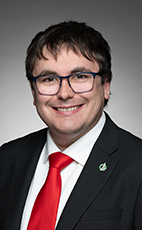
“I want the government to get its way in committees. The other side's ideas are bad traditions. Our traditions are good traditions.”
“I want the government to get its way in committees. Chairs should not settle debates. I will remove an opposition member if needed.”
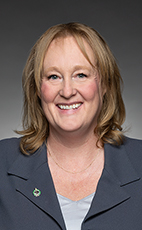
“You say you respect democracy. But no government has ever politicked this hard to get a majority on committees. Quit trying to grab a supermajority and hide from accountability. Leave the committees like voters elected them.”
“Calling it a supermajority is an American term. I don't like you saying that. All majorities are equally legitimate. We need to work together.”
“If I make you answer whether you consulted the opposition it might make you look bad.”
“I don't need to consult you if we aren't taking anything away from you.”